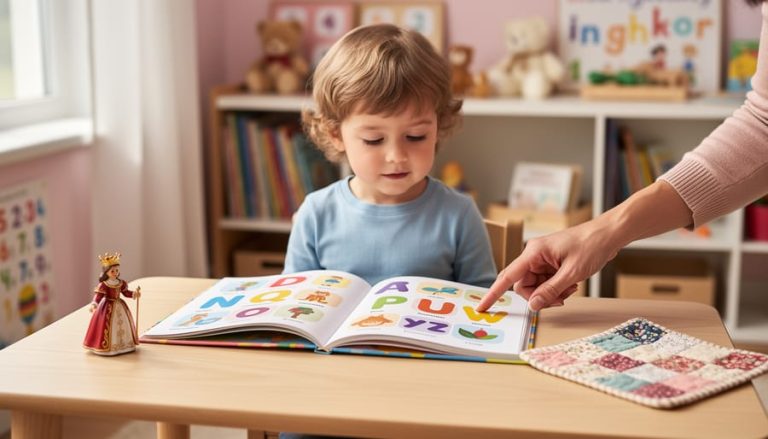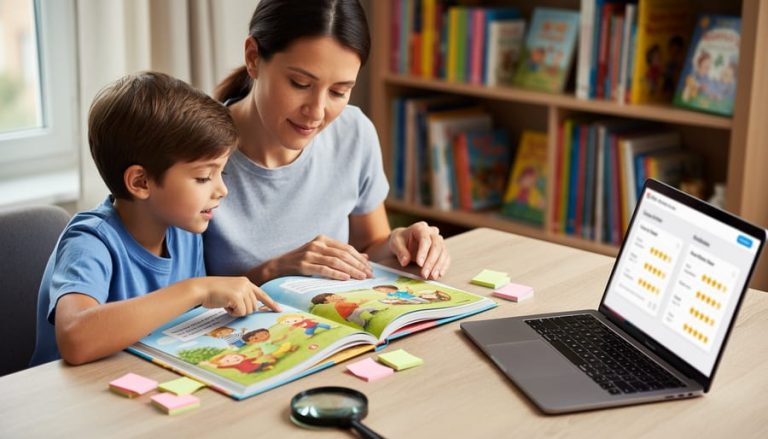
Summer reading activities keep children’s literacy skills sharp through engaging, play-based experiences that disguise learning as fun. These 15 activities range from backyard reading forts and library scavenger hunts to book-themed cooking projects and community storytelling circles, each designed to work with your schedule and your child’s interests rather than against them.
The summer slide is real. Research shows children can lose one to three months of reading progress during the break, with effects compounding year after year. But drilling flash cards and forcing chapter books creates resistance, not readers. The solution lies in activities that spark curiosity and build positive associations with books and stories.
What makes a summer reading activity effective? It should feel voluntary, connect to your child’s existing interests, and allow for creativity or movement. A six-year-old who resists bedtime stories might eagerly read recipe cards while making lemonade. A reluctant ten-year-old reader could dive into graphic novels during camping trips when screens aren’t an option.
The activities ahead work for various ages and settings. Some take five minutes, others fill an afternoon. Some cost nothing, a few require library cards or craft supplies. You won’t use all fifteen, and that’s exactly the point. Pick two or three that match your family’s rhythm, your child’s personality, and your summer plans. Consistency with a few beloved activities beats sporadic attempts at everything.
Consider your child’s current reading level and interests as you browse. The goal isn’t perfection or completion. It’s keeping the door to reading open all summer long.
How We Selected These Reading Activities
We curated these 15 reading activities using criteria designed to support literacy development while keeping summer enjoyable for children and manageable for families. Each activity earned its spot by meeting specific standards that prioritize both learning outcomes and real-world practicality.
Our selection criteria included:
- Age-appropriateness spanning preschool through elementary years, with adaptable options for different developmental stages
- Educational value that builds core literacy skills like comprehension, vocabulary, fluency, and narrative thinking
- Engagement factor ensuring activities feel like fun rather than forced homework
- Accessibility for diverse families regardless of budget, space, or resources
- Inclusivity representing varied experiences, cultures, family structures, and identities including LGBTQ themes
- Balance between structured learning moments and playful, child-led exploration
The activities reflect research showing that consistent, low-pressure reading engagement during summer prevents the typical two-month regression in reading skills. We deliberately mixed hands-on crafts, community connections, creative projects, and outdoor experiences to appeal to different learning styles and family dynamics. Whether you have 10 minutes or a full afternoon, these options fit into summer’s natural rhythms without adding stress.
15 Reading Summer Activities for Children

1. Create a Backyard Reading Fort
Transform your backyard into a magical reading retreat by constructing a simple fort using blankets draped over lawn chairs or clotheslines, anchored with rocks or clips. Add soft pillows, beach towels for ground cushioning, and battery-powered fairy lights or lanterns for ambiance. This activity works wonderfully for ages 3-10, with younger children delighting in the novelty and older kids enjoying the independence of their own space.
Stock the fort with a basket of age-appropriate books, water bottles, and perhaps a small bin of healthy snacks. Let children personalize their space with stuffed animals or drawings. The novelty of reading outdoors in a special hideaway makes the activity feel like play rather than structured learning, encouraging kids to settle in with books for extended periods. Position the fort in a shaded area and check it remains stable throughout reading sessions.
2. Start a Family Book Club
Pick a book everyone can enjoy, younger kids might need a picture book or early chapter book, while mixed-age families can choose titles with layered storytelling that work on multiple levels. Set a relaxed schedule, like finishing a book over two weeks, then gather for snacks and discussion.
Keep conversations natural rather than quiz-like. Ask open questions: “What would you have done?” or “How did this character change?” Let kids lead sometimes, they’ll surprise you with their insights. This works beautifully for introducing diverse stories, including those featuring LGBTQ families or characters from different backgrounds, making representation feel normal and valued.
Younger children (ages 4-7) might discuss for 10-15 minutes; older kids can handle longer conversations. The goal isn’t literary analysis, it’s building comprehension skills while making reading a shared family experience rather than a solitary task.

3. Join Your Local Library’s Summer Reading Program
Most public libraries offer free summer reading programs specifically designed to keep kids excited about books during break. These programs typically run from early June through August 2026 and welcome children of all ages and reading levels.
Check your library’s website or stop by in person to register, many programs let kids earn prizes with logs tracking their reading minutes or completed books. You’ll often find weekly themed activities, author visits, craft sessions, and reading challenges built around this year’s theme. Some libraries even offer digital tracking apps for families who prefer online participation.
The beauty of these programs is their flexibility. Kids can read whatever interests them, graphic novels, picture books, chapter books, and still participate. Many libraries also include teen and adult tracks, turning summer reading into a whole-family activity. Registration is typically free, and the structured approach helps maintain reading habits without feeling like school assignments.
4. Host a Book Character Dress-Up Day
Dressing up as a favorite book character transforms reading from a quiet activity into full-body fun. Set aside an afternoon for kids to raid the costume box, create outfits from household items, and embody characters they’ve read about. A bath towel becomes a superhero cape, face paint turns them into The Cat in the Hat, or mom’s old scarf transforms them into Hermione Granger.
The magic happens when children act out scenes from their chosen books. They’ll naturally recall plot details, practice dialogue, and think about character motivations, all while playing. Younger kids (ages 3-6) might simply wear a costume and share who they are, while older children (7-12) can perform short scenes for the family or even film stop-motion videos of their character’s adventures.
Take photos and create a “character gallery” to display their creativity.
5. Create Story Stones or Story Dice
Story stones and story dice transform simple craft materials into powerful storytelling tools that build narrative skills while sparking creativity. Children paint small, smooth stones with pictures, characters, objects, settings, emotions, or create cube-shaped dice with images or words on each face. Once complete, they shake the stones in a bag or roll the dice, then weave the random elements into original stories.
This activity works beautifully for ages 4-12, with younger children drawing simple pictures and older kids adding detailed scenes or complex story prompts. The crafting process itself engages fine motor skills and artistic expression, while the storytelling component develops sequencing, vocabulary, and logical thinking.
Parents can gather supplies affordably: collect smooth rocks from the yard, use acrylic paint or permanent markers, and seal with clear polish. For dice, download printable templates online or repurpose wooden blocks. Start with 8-12 stones featuring basic story elements, a hero, villain, setting, problem, and solution. As children gain confidence, expand the collection with more nuanced prompts like “unexpected twist” or “magical object.”
6. Start a Reading and Nature Journal
Reading and nature journaling transforms summer walks into literacy adventures. Give your child a dedicated notebook to record observations after reading nature books together, whether it’s a field guide to local birds, a story about insects, or a picture book about wildflowers. They can sketch what they see, write descriptions, press flowers between pages, or paste photos alongside their thoughts.
This activity strengthens writing skills while building scientific vocabulary naturally. A six-year-old might draw a butterfly and label its parts after reading about metamorphosis, while a ten-year-old could write detailed entries comparing book descriptions to real observations. The journal becomes a personalized summer record that combines reading comprehension with hands-on discovery, making both activities more meaningful and memorable.
7. Organize a Book Swap with Friends
A book swap transforms reading into a social summer activity while giving kids access to fresh titles without breaking the bank. Gather three to five families with children in similar age ranges, and ask each to bring five to ten gently used books. Set up tables by age group or genre, then let kids browse and select “new” reads to take home.
This works especially well at park meetups or backyard gatherings where children can discuss their favorite picks with peers. Schedule swaps monthly throughout summer to keep the excitement going. Bonus: kids learn about sharing resources and discover books they might not have chosen at a store, broadening their reading tastes.
8. Cook Recipes from Children’s Books
Cooking recipes from children’s books transforms reading into a hands-on adventure that engages multiple senses. Start with titles like “The Boxcar Children Cookbook” or “Green Eggs and Ham Cookbook,” where kids read the recipe instructions before helping prepare the dish. This activity strengthens reading comprehension as children follow step-by-step directions, builds vocabulary through cooking terms, and creates natural opportunities for discussing fractions and measurements.
Choose recipes matching your child’s skill level, younger kids can stir and measure pre-portioned ingredients, while older children can tackle more complex steps with supervision. The reward of eating what they’ve made creates a powerful connection between reading and real-world results, making literacy feel purposeful rather than abstract.
9. Create Audio Book Recordings
Recording audiobooks transforms passive reading into an active performance that builds confidence and fluency. Have your child choose a favorite picture book or short chapter and read it aloud while you record on a smartphone or tablet. They can add sound effects, change voices for different characters, or even create simple background music.
This activity helps children notice their pacing, pronunciation, and expression in ways silent reading doesn’t. Younger readers (ages 5-8) gain confidence hearing their progress, while older children (9-12) can create polished recordings for younger siblings or to share with grandparents who live far away. Many families save these recordings as keepsakes, capturing reading milestones year after year.
10. Plan a Literary Scavenger Hunt
A literary scavenger hunt transforms reading into an active adventure by sending kids outdoors to find items from their favorite books. After reading a story together, create a list of objects mentioned in the text, perhaps a smooth stone like the one in *Sylvester and the Magic Pebble*, a yellow flower from *The Giving Tree*, or a red leaf matching one in an autumn-themed tale. For ages 5-12, adjust complexity by using picture clues for younger children and written descriptions for older readers.
This activity strengthens reading comprehension as children must remember story details to identify correct items. It also builds observation skills and connects stories to the real world. Make it easier by limiting hunts to your backyard, or challenge older kids with neighborhood-wide searches. Keep a journal where children sketch or photograph their findings alongside the book passage that inspired each item, creating a summer-long record of reading adventures.
11. Write and Illustrate Original Stories
Turning kids into authors and illustrators transforms passive reading into active creation. Set up a simple writing station with blank paper, construction paper for covers, markers, and crayons. Younger children (ages 4-6) can dictate stories while you transcribe, then add their drawings. Older kids (7-12) can write independently, experimenting with different genres they’ve read, mysteries, fairy tales, or comic books.
The binding process matters. Staple pages together, punch holes for ribbon, or use a three-ring binder for a “real book” feel. Have children design front and back covers with titles and author bios. This activity builds narrative structure, sequencing skills, vocabulary development, and confidence as creators rather than just consumers of stories. Many children who resist reading love making their own books because they control every element.
12. Visit Author Websites and Virtual Events
Many children’s authors now offer virtual readings, behind-the-scenes content, and interactive Q&A sessions directly on their websites and social media channels. These digital experiences bring books to life in ways that deepen children’s connection to stories and spark enthusiasm for reading.
Ages 5-12
Check favorite authors’ official websites for scheduled live events or archived video content. Many creators host monthly virtual story times, drawing tutorials featuring book characters, or writing workshops where kids learn how authors develop ideas. Platforms like Instagram and YouTube frequently feature read-alouds and author chats specifically designed for young audiences.
Create a simple schedule visiting one author site weekly. Let your child submit questions for upcoming Q&A sessions or participate in creative challenges authors post. This personal connection transforms reading from a solitary activity into an engaging relationship with the people behind beloved books.
13. Start a Reading Challenge with Diverse Themes
A themed reading challenge transforms summer reading into an exciting quest while expanding children’s worldviews. Create a simple chart with categories like “a book about a family different from yours,” “a story set in another country,” “a book with LGBTQ characters,” or “a biography of someone who changed the world.” Let kids pick one book per category, decorating a tracking poster as they complete each theme.
This approach naturally introduces diverse perspectives without feeling educational. Children discover characters with two moms, celebrate different cultural traditions, and see themselves, or people unlike them, reflected in stories. The challenge format adds motivation through completion goals while the diversity requirement ensures broad exposure to experiences beyond their own.
14. Build a Little Free Library
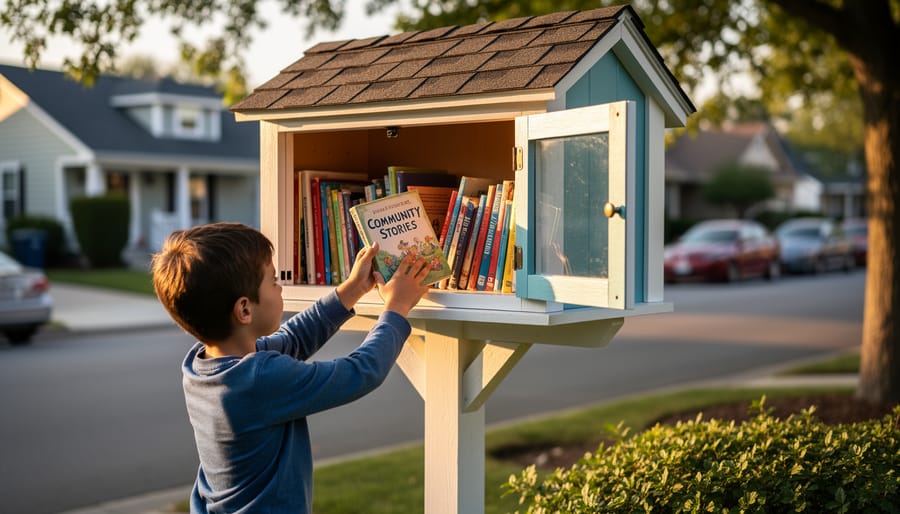
Building a Little Free Library transforms reading into a community-wide activity that teaches kids about sharing and civic engagement. These weatherproof boxes, mounted on posts in front yards or community spaces, allow neighbors to take a book and leave a book freely. Children can help design and decorate the structure, stock it with their outgrown favorites, and check regularly to see what new titles appear.
This project works for ages 5 and up, with younger kids selecting books to donate while older children might help with construction or maintenance. The Little Free Library organization offers official kits starting around $250, though DIY versions cost $50-100 in materials. Your family doesn’t need to build one from scratch, finding existing libraries nearby (check the map at LittleFreeLibrary.org) lets kids participate by donating books, writing recommendation cards, or organizing themed collections like “Summer Adventure Stories” or books featuring diverse families and experiences.
15. Combine Reading with Summer Trips
Turn every family trip into a reading adventure by connecting books to your destinations. Before visiting the beach, read ocean-themed stories. Heading to the mountains? Pack books about hiking or wildlife. Travel journals work beautifully for kids ages 7 and up, they can document observations, sketch landmarks, or write postcards to themselves.
For younger children (ages 3-6), audiobooks make long car rides productive without triggering motion sickness. Let each child choose one destination-related book from the library before you leave. Road trip bingo cards featuring book characters add another literacy layer.
The key is matching reading to experiences rather than treating it as separate from vacation fun. When children read about tide pools then explore real ones, comprehension deepens naturally and reading feels purposeful rather than forced.
Making Reading Activities Work for Your Family
The best summer reading plan is the one your family will actually use. Start by involving your children in choosing which activities sound most exciting, when kids have a say, they’re far more invested in following through.
Match activities to your reality, not an ideal schedule. If you’re working full-time, choose low-prep options like library programs or audiobook recordings rather than elaborate crafts. If you have children at different ages, look for flexible activities like story stones or family book clubs where you can adjust the complexity based on each child’s level.
Build reading into existing routines instead of creating separate “reading time.” Tuck books into your beach bag, listen to audiobooks during car rides, or spend ten minutes before bed discussing the family book club selection. These small moments add up without feeling like another obligation on your summer calendar.
Watch for your child’s natural interests and lean into them. A dinosaur-obsessed five-year-old might thrive with nature journals focused on prehistoric creatures, while a theatrical eight-year-old will love character dress-up days. The activities that connect to what already excites your child require far less persuasion.
Celebrate effort over outcomes. Notice when your reluctant reader finishes a chapter, when your kindergartener sounds out a tricky word, or when siblings collaborate on an original story. These small wins build confidence and associate reading with positive feelings rather than pressure to perform.
Quick Recap: Your Summer Reading Toolkit
Summer reading doesn’t have to mean structured lessons or forced study time. The 15 activities we’ve covered give you a toolkit of creative, flexible options that blend literacy with play, exploration, and family connection. Whether you build a backyard reading fort, start a family book club, or create story stones, you’re building skills while making memories.
The beauty of these activities is their adaptability. You don’t need to tackle all 15 or stick to a rigid schedule. Pick two or three that match your child’s interests and your family’s rhythm, then watch what sparks excitement. Even 15 to 20 minutes a day keeps reading skills sharp and prevents summer learning loss without feeling like homework.
For the best results:
- Let your child choose activities that genuinely interest them rather than imposing favorites
- Mix structured activities like library programs with spontaneous ones like literary scavenger hunts
- Celebrate participation and effort over perfection or quantity of books read
- Adjust activities as needed based on energy levels, weather, and family schedules
Summer reading is about nurturing a love of books that lasts beyond vacation. When children associate reading with fun experiences instead of obligation, they’re more likely to reach for books all year long. Keep it light, keep it engaging, and trust that you’re giving your child tools that will serve them well beyond these sunny months.
Common Questions About Summer Reading Activities
How much time should my child spend on reading activities each day?
Aim for 15-20 minutes of reading-related activities daily to maintain literacy skills without overwhelming summer fun. Even three to four times per week makes a meaningful difference in preventing summer learning loss.
What if my child resists reading during summer break?
Focus on activity-based approaches like story stones, cooking from books, or dress-up days that feel like play rather than schoolwork. Let your child choose activities and books that match their interests, and avoid creating pressure around “finishing” books.
How do I choose age-appropriate activities for my child?
Match activities to your child’s reading level rather than strictly by age, and look for options that offer flexibility. Many activities like reading forts or book swaps work across age ranges with simple adjustments to book choices and independence levels.
Can I mix activities for kids at different reading levels?
Absolutely. Activities like family book clubs work well when each child reads at their own level, then everyone discusses themes together. Story creation, scavenger hunts, and cooking projects easily adapt to multiple ages participating side by side.
How can I tell if these activities are actually helping?
Watch for increased reading confidence, willingness to pick up books independently, and improved fluency when reading aloud. Progress shows up in enthusiasm as much as technical skills, so celebrate when your child talks excitedly about stories or asks to do reading activities.
What if we can’t afford new books for summer activities?
Library programs, book swaps, and Little Free Libraries provide free access to reading materials. Many activities like story stones, audio recordings, and nature journals require minimal or no book purchases while still building strong literacy habits.
Remember that summer reading success looks different for every family. Some children thrive with structured daily routines while others prefer spontaneous reading moments woven into beach days or rainy afternoons. The goal is keeping books and stories present in your summer without turning them into another chore. Trust your instincts about what energizes your child, and give yourself permission to skip activities that create stress. Consistency matters more than perfection, and even a relaxed approach to summer reading beats avoiding books entirely for three months.