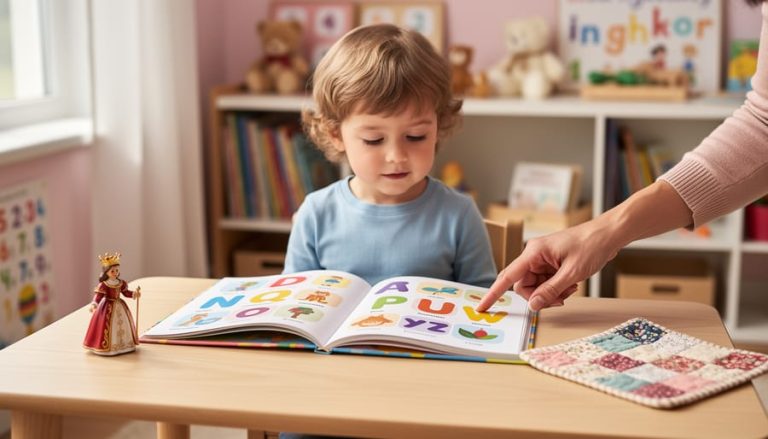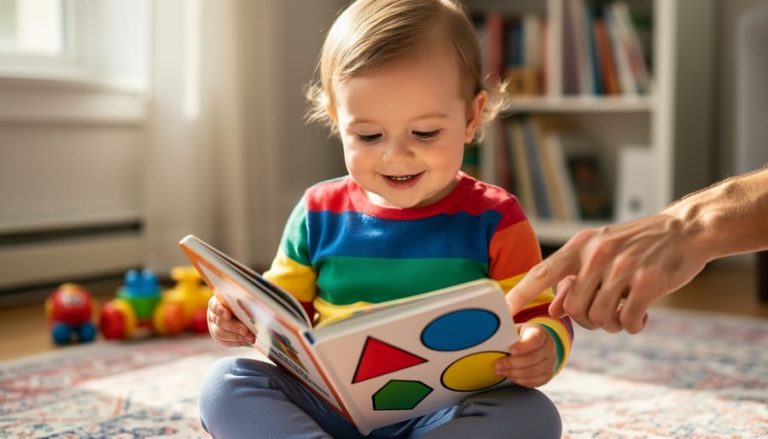
Look for reviews that acknowledge both strengths and weaknesses in equal measure, as truly objective assessments never paint books as either perfect or worthless. A trustworthy reviewer provides specific examples from the text to support their points rather than relying on vague praise or criticism.
Check whether the reviewer discloses their relationship with publishers, authors, or book sellers, since financial incentives often color opinions even when reviewers believe they remain fair. Independent reviewers who purchase books themselves or clearly state when they receive free copies demonstrate transparency that builds credibility.
Examine if the review addresses age-appropriateness, reading level, and developmental considerations specific to your child rather than offering one-size-fits-all recommendations. Quality reviews consider diverse family values and learning styles, helping you determine fit rather than declaring universal judgments.
Compare multiple reviews from different sources before making decisions, as patterns across several honest assessments reveal more than any single opinion. Notice when reviewers explain their criteria and methodology, which shows they’ve developed systematic approaches rather than relying on personal preference alone.
The difference between helpful guidance and misleading hype often lies in these subtle markers of integrity. Understanding what separates genuinely unbiased reviews from promotional content or overly harsh criticism empowers you to build a home library that truly serves your child’s unique needs and interests. Armed with these insights, you can confidently navigate the overwhelming world of children’s literature and discover books that will genuinely enrich your family’s reading journey.
Understanding What ‘Unbiased’ Really Means in Book Reviews
When you’re searching for the perfect book for your child, understanding what makes a review truly unbiased is essential for making informed decisions. An unbiased review in children’s literature doesn’t mean the reviewer has no opinions—rather, it means they separate personal taste from objective assessment and provide balanced information you can trust.
At its core, an unbiased review evaluates books using consistent, measurable criteria while acknowledging that different children have different needs. A reviewer might personally prefer rhyming picture books, but an unbiased approach requires them to fairly assess a prose-based story using appropriate standards for that format. The key difference lies in transparency: unbiased reviewers clearly distinguish between “This isn’t my favorite style” and “This book has fundamental issues with age-appropriate content or educational value.”
To help clarify these concepts, here are essential terms to understand:
- Objective Criteria
- Measurable aspects of a book such as age-appropriateness, illustration quality, educational alignment, and developmental suitability that can be evaluated using professional standards rather than personal taste.
- Personal Preference
- Individual likes and dislikes regarding themes, art styles, or storytelling approaches that vary from person to person and don’t necessarily reflect a book’s overall quality or effectiveness.
- Balanced Perspective
- Presenting both strengths and limitations of a book while considering diverse reader needs, allowing parents and educators to decide if it fits their specific situation.
- Transparent Disclosure
- Clearly stating any relationships with publishers, promotional copies received, or personal connections that might influence the review’s perspective.
True unbiased reviews serve multiple families with different values, learning styles, and cultural backgrounds. They provide enough detailed information about content, themes, and educational elements so you can determine whether a book aligns with your family’s needs—even if it wouldn’t be the reviewer’s personal first choice. This approach respects your role as the ultimate decision-maker in your child’s reading journey.
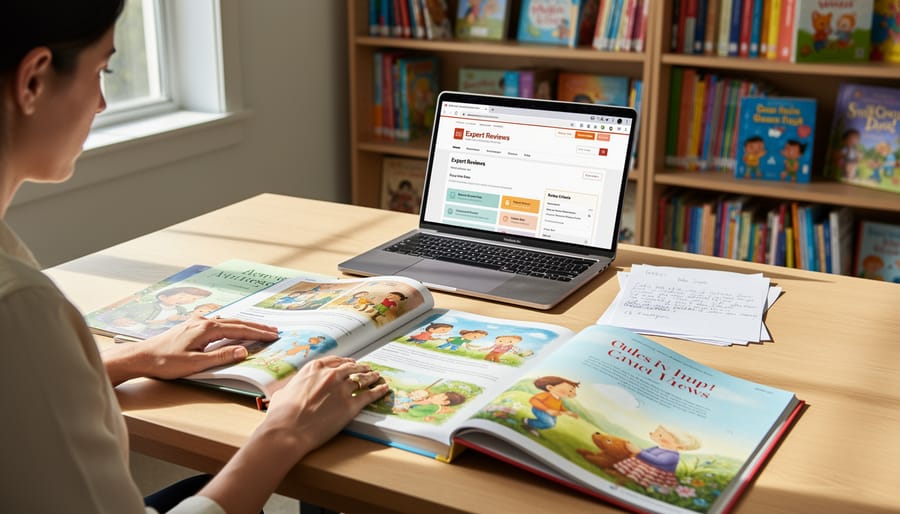
The Hidden Pitfalls That Compromise Book Review Objectivity
When searching for the perfect book for your child, you might encounter reviews that seem glowing but leave you wondering if they’re genuinely objective. Understanding the hidden factors that can compromise review integrity helps you make more informed decisions about which recommendations to trust.
Sponsored content represents one of the most significant sources of bias. Some reviewers receive payment or free books from publishers in exchange for coverage, which can subtly influence their opinions. While many reviewers disclose these relationships, others may not be transparent about compensation arrangements. Look for clear disclosure statements at the beginning or end of reviews.
Affiliate relationships create another layer of potential bias. When reviewers earn commission from book purchases made through their links, there’s financial incentive to recommend books enthusiastically, regardless of actual quality. This doesn’t mean all affiliate-linked reviews are untrustworthy, but awareness helps you read with a critical eye.
Personal ideological preferences can significantly color a reviewer’s assessment. A reviewer might rate a book highly because it aligns with their values while overlooking genuine issues with plot, illustration quality, or age-appropriateness. Conversely, they might dismiss excellent books that don’t match their worldview. Balanced reviewers acknowledge their perspective while evaluating a book’s merits objectively.
Cultural blind spots often emerge when reviewers assess books featuring diverse characters or experiences outside their own background. A reviewer might miss stereotypes, inaccurate representations, or cultural nuances that would be obvious to readers from those communities. Seeking reviews from diverse voices provides fuller perspective.
Red flags to watch for include reviews that only praise without mentioning any limitations, lack of specific examples from the book, overly promotional language, absence of age-specific guidance, and missing disclosure statements about sponsorships or affiliations. Trust reviewers who provide balanced perspectives, acknowledge both strengths and weaknesses, and explain their reasoning with concrete examples from the text and illustrations.

The Framework Behind Reliable Children’s Book Ratings
Age-Appropriate Content Assessment
Objective reviewers assess whether a book matches a child’s developmental stage by examining several key factors. They consider cognitive abilities—can children at this age understand the concepts presented? They evaluate emotional readiness—will the themes overwhelm or appropriately challenge young readers? Reading level matters too, including vocabulary complexity, sentence structure, and text-to-illustration ratio.
Quality reviewers reference established guidelines about children’s developmental readiness skills rather than relying solely on personal opinion. They acknowledge that children develop at different rates, so a book appropriate for one five-year-old might not suit another. This nuanced approach recognizes individual differences without imposing strict age restrictions based on personal comfort levels.
An unbiased reviewer distinguishes between content that’s genuinely inappropriate for a developmental stage and content they personally prefer to avoid. For example, they might note that a book about divorce addresses complex emotions requiring parental discussion, helping you decide if your child is ready—rather than simply labeling it unsuitable. This empowers you to make informed choices aligned with your family’s values and your child’s unique development.
Balanced Representation and Inclusivity Evaluation
Objective reviews recognize that representation matters deeply for young readers’ development. When evaluating books featuring LGBTQ themes, racial diversity, or gender equality, unbiased reviewers focus on the quality of storytelling and authenticity of portrayal rather than their personal comfort with the subject matter.
Expert reviewers assess whether diverse characters are presented as fully developed individuals rather than stereotypes or tokens. They consider age-appropriateness by examining how complex topics are introduced, not by avoiding them entirely. A truly balanced review acknowledges both the educational value of exposure to different perspectives and any concerns about execution or presentation.
Research from a diverse books impact study shows that children who see themselves reflected in stories develop stronger self-esteem and literacy skills. This data-driven approach helps reviewers separate their personal biases from what benefits children’s development.
Quality reviews also note when representation feels authentic versus performative, drawing on feedback from the communities being portrayed. They highlight books that normalize diversity naturally within the story rather than making it the sole teaching point, creating opportunities for organic conversations between caregivers and children about the beautiful variety of families and experiences in our world.
How Expert Reviewers Separate Opinion from Analysis
Professional reviewers of children’s literature follow specific practices to ensure their assessments remain fair and helpful for families like yours. Understanding these methods can help you recognize truly reliable review sources.
Many reputable organizations use a multiple-reviewer system, where several experts independently evaluate the same book. This approach helps balance individual perspectives and reduces the influence of personal preferences. When three or four reviewers with different backgrounds assess a title, patterns emerge that reveal the book’s genuine strengths and limitations rather than one person’s opinion.
Expert reviewers also rely on standardized evaluation rubrics that examine consistent criteria across all books. These tools assess elements like age-appropriateness, educational value, illustration quality, and narrative structure. Rather than simply stating whether they liked a book, reviewers can point to specific features that make it suitable for your child’s developmental stage.
Transparency stands as a cornerstone of trustworthy reviews. Professional reviewers follow ethical guidelines for reviewers that require disclosing any relationships with authors, publishers, or financial interests that might influence their assessment. When you see these disclosures, it shows the reviewer respects your need for honest information.
Expert reviewers also distinguish clearly between factual observations and personal reactions. They might note that a book uses advanced vocabulary, which is an objective fact, while mentioning their personal enjoyment separately. This separation helps you determine whether a book matches your child’s needs, regardless of the reviewer’s individual taste.
Finally, quality reviewers provide constructive context rather than dismissive criticism. When identifying weaknesses, they explain specifically what might not work and for whom, giving you the information needed to make informed decisions for your unique situation.
What to Look for When Choosing Book Review Sources
Finding trustworthy book review sources doesn’t have to feel overwhelming. By asking a few key questions and knowing what to look for, you can confidently identify platforms that provide genuinely helpful guidance for your book selections.
Start by examining who writes the reviews. Look for platforms that clearly identify their reviewers and their qualifications. Are they educators, librarians, child development specialists, or experienced parents? Credible sources make this information transparent and easy to find. If a site doesn’t tell you who’s behind the reviews or what expertise they bring, that’s a red flag.
Next, consider how reviews are structured. Quality review sources provide balanced assessments that acknowledge both strengths and areas where a book might not suit every child. They explain the reasoning behind their recommendations rather than simply stating opinions. Expert reviewers typically include age-appropriate guidance, helping you understand which developmental stage or reading level best matches each book.
Transparency is essential. Trustworthy platforms disclose any relationships with publishers or authors that might influence their reviews. They should clearly state whether they receive compensation for recommendations or maintain editorial independence.
Ask yourself these practical questions: Does the source review a diverse range of books, including lesser-known titles alongside popular ones? Do they update their content regularly? Can you find reviews that offer constructive feedback rather than only praise or harsh criticism?
Finally, cross-reference recommendations across multiple respected sources. When several credible platforms independently recommend the same book with similar reasoning, you can feel more confident in your choice. Remember, the goal is finding reviews that genuinely serve your child’s needs and interests.
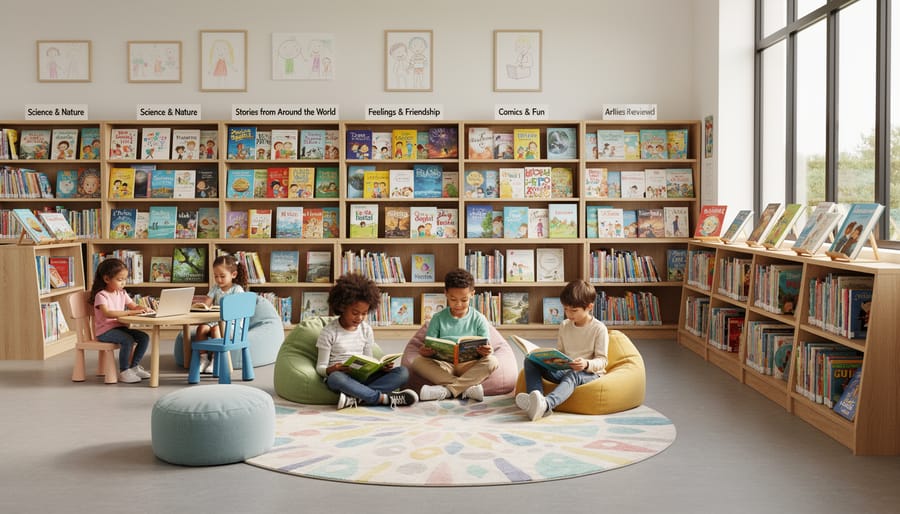
Using Unbiased Reviews to Build Your Child’s Library
Now that you understand what makes a review trustworthy, let’s put that knowledge into practice. Building a home library filled with quality books doesn’t have to be overwhelming when you have the right approach.
Start by following a simple process for selecting books based on unbiased reviews:
- Read reviews from multiple sources to get a balanced perspective, including educational websites, library recommendations, and parent forums.
- Look for specific details about the book’s content, themes, and age-appropriateness rather than general praise or criticism.
- Check whether reviewers mention their evaluation criteria and any potential conflicts of interest.
- Consider how the book’s strengths align with your child’s current interests and developmental needs.
- Balance expert recommendations with your child’s preferences by involving them in the selection process when appropriate.
Remember that even the most highly-rated book won’t engage every child. Use unbiased reviews as a starting point, but don’t be afraid to choose books slightly outside the recommended age range if your child is ready for the challenge or needs something gentler.
Create diversity in your collection by seeking reviews that highlight books from various cultures, featuring different family structures, and representing a range of experiences. Expert insights can help you identify quality books you might otherwise overlook.
Keep a running list of potential titles based on trustworthy reviews, then visit your local library to try books before buying. This approach lets you build a personalized collection that truly resonates with your family while supporting your child’s literacy development.
Finding unbiased book reviews is an investment in your child’s reading journey and intellectual development. By becoming a critical consumer of review content, you’ll be better equipped to choose books that truly match your child’s interests, reading level, and developmental needs. Remember that objective guidance doesn’t mean sterile or overly formal—it simply means reviews grounded in educational value, age-appropriateness, and honest assessment rather than marketing hype or personal agenda.
As you explore different review sources, trust your instincts. Look for reviewers who provide specific examples, acknowledge both strengths and limitations, and demonstrate genuine expertise in children’s literature and development. When you encounter reviews that offer balanced perspectives and practical insights, you’re finding the kind of guidance that helps foster a lifelong love of reading in your children.
By prioritizing unbiased reviews, you’re not just selecting better books—you’re modeling critical thinking skills that your children will carry into their own reading lives. Quality, objective book recommendations serve as stepping stones to literacy success, opening doors to imagination, learning, and personal growth that will benefit your child for years to come.