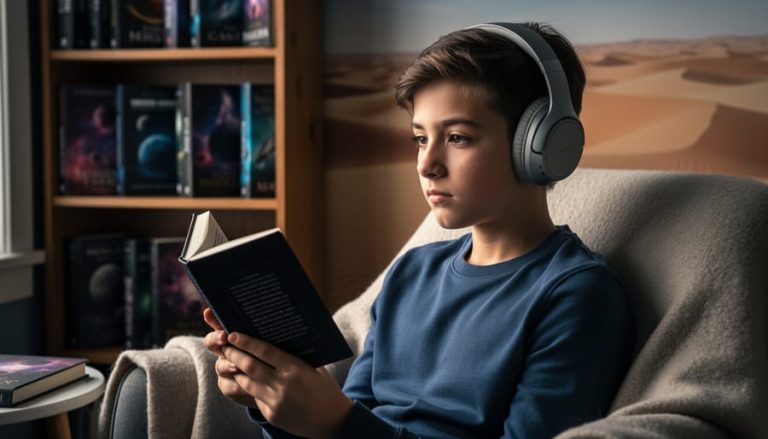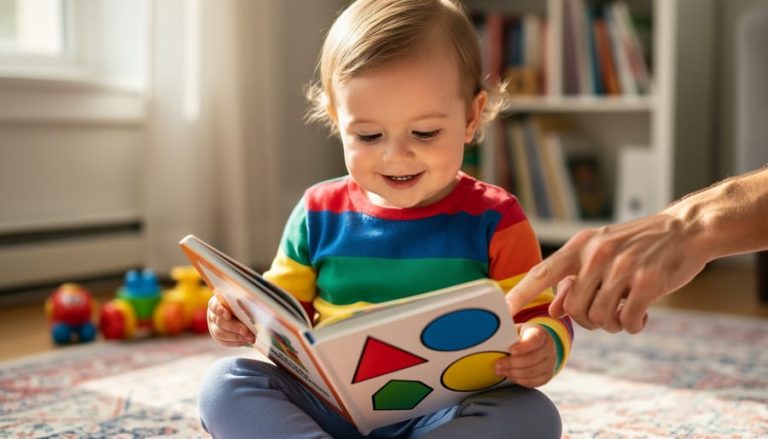
Biography audiobooks are reshaping how children engage with real-life stories in 2026, delivering historical context through vocal inflection and pacing that print cannot match. When a skilled narrator inhabits the voice of Harriet Tubman or reads a letter penned by Marie Curie, young listeners grasp emotional nuance and historical empathy in ways silent reading often misses. This format advantage matters more now as major platforms have expanded their children’s biography catalogs dramatically, with services like Audible offering over 55,000 biography and memoir titles, many accessible through affordable subscription models starting under a dollar for new members.
The trend toward biography audiobooks for young learners isn’t just about convenience. It addresses a critical gap: many children who struggle with dense historical text or unfamiliar vocabulary can absorb complex life stories when they hear proper pronunciations, natural pacing, and vocal emphasis that guide comprehension. Parents and educators are discovering that audiobooks offer built-in scaffolding for difficult topics, allowing children to pause, rewind, and process challenging moments in figures’ lives at their own pace.
What makes this format particularly powerful in 2026 is the combination of wider availability, lower price barriers, and growing recognition that auditory learning unlocks biographical content for reluctant readers and auditory processors alike. The result is a generation of children building historical knowledge and character understanding through a medium that meets them where they are, whether during car rides, quiet time, or as a bridge to independent reading.
Why Biography Audiobooks Are Gaining Momentum Right Now
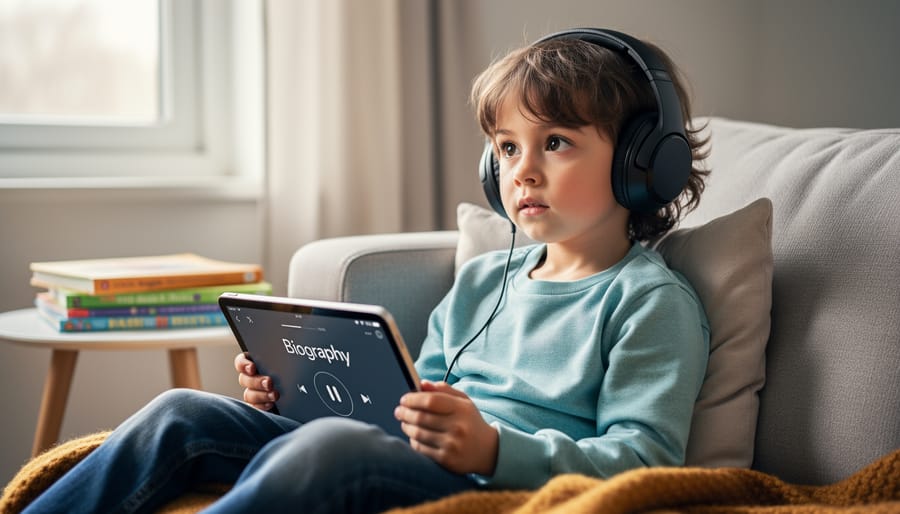
The biography audiobook landscape has shifted dramatically in the past two years, creating conditions that make this format more accessible and educationally relevant than ever before. Parents and educators who might have struggled to find age-appropriate biographical content five years ago now have unprecedented options at their fingertips.
Platform expansion has been the most visible driver. Audible Canada now hosts more than 55,000 biography and memoir titles, with dedicated sections for bestsellers and new releases that refresh constantly. Rakuten Kobo Canada has responded by curating specialized lists highlighting standout biography audiobooks, making discovery easier for families navigating the vast catalog. This isn’t just growth in quantity, the breadth of subjects and voices has expanded to include scientists, activists, artists, and leaders from backgrounds that were underrepresented in children’s biography collections even three years ago.
Pricing models have evolved to lower barriers that once kept families out. Audible’s introductory subscription starts at 99 cents per month for the first three months, then shifts to $8.99 monthly, a structure that lets families test the format without significant financial commitment. Kobo offers budget-conscious options under €9.99, making individual purchases viable for those who prefer ownership over subscription access.
Beyond infrastructure, educational priorities have shifted. Schools and parents are prioritizing social-emotional learning and diverse representation in 2026 curricula. Biography audiobooks deliver both: real people navigating real challenges provide natural entry points for conversations about resilience, justice, identity, and change. The format meets children where contemporary education is heading, toward stories that build empathy and broaden perspective, not just recite facts.
The Unconsidered Ways Biography Audiobooks Shape Young Minds
Voice and Emotion Build Historical Empathy Differently Than Text
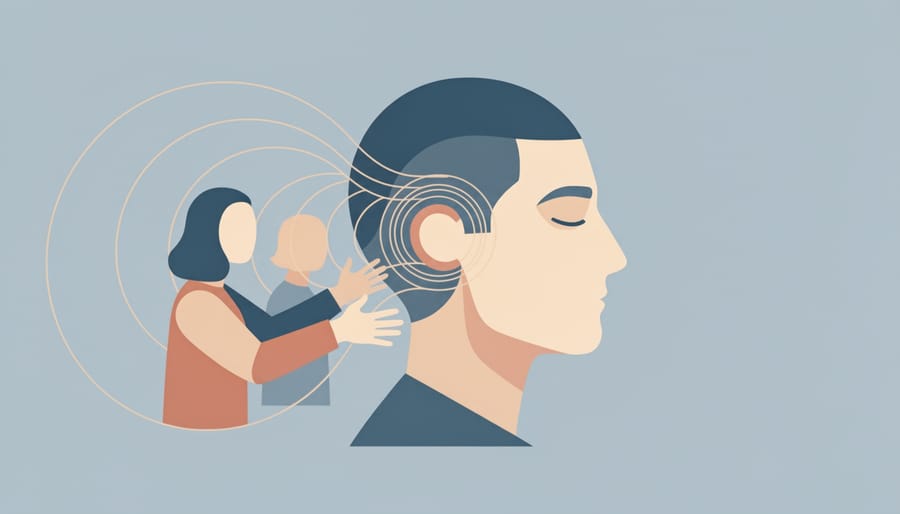
When a child listens to a narrator describe Rosa Parks refusing to give up her seat, the slight tremor in the speaker’s voice, the deliberate pause before “No,” and the quiet firmness of the delivery do something text cannot: they transform historical fact into felt experience. This is the under-discussed power of biography audiobooks for children, narration adds a layer of emotional interpretation that helps young listeners grasp not just what historical figures did, but why those actions required courage, doubt, or conviction.
Children’s brains process vocal cues instinctively. A narrator’s pacing signals whether a moment was tense or triumatic. Inflection reveals whether a biographical subject felt confident or conflicted. When a voice actor reads Anne Frank’s diary entries with adolescent hesitancy rather than adult authority, children hear the humanity behind the historical icon, she was a girl navigating fear and boredom, not just a symbol. That distinction is harder to internalize through silent reading, especially for younger children still developing abstract thinking.
This emotional scaffolding builds historical empathy differently than traditional biography reading. Text presents facts; narration interprets those facts with human feeling. A skilled narrator doesn’t just report that Harriet Tubman made repeated dangerous journeys, the voice conveys the weight of those decisions through breath control, urgency, and resolve. Children listening absorb both the information and the emotional stakes simultaneously, creating memory anchors that pure text rarely achieves.
The result is that biography audiobooks teach children to see historical figures as real people who faced uncertainty, made hard choices, and felt deeply, a nuanced understanding that shapes how they think about courage, leadership, and change today.
Multitasking Access Opens Biography to Reluctant Readers
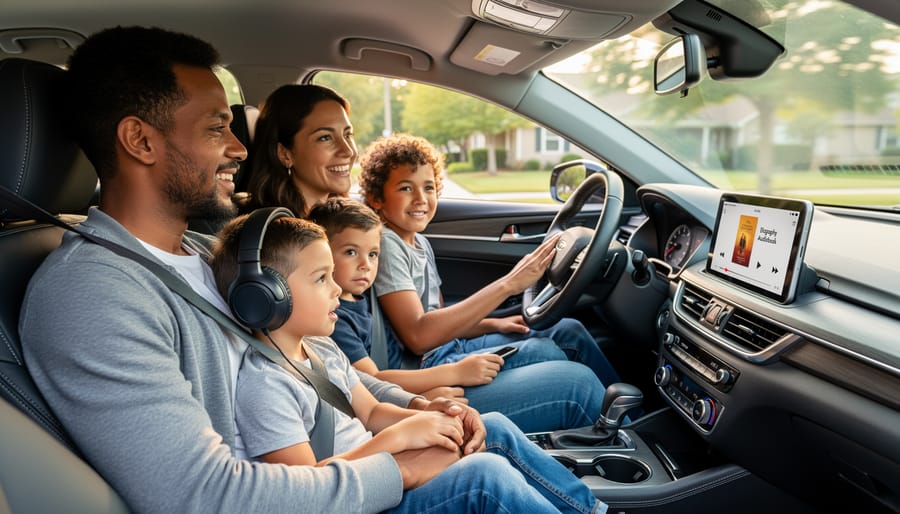
Children who struggle with traditional reading, whether due to dyslexia, ADHD, processing differences, or simply a strong preference for other activities, often miss out on the rich biographical content that builds historical knowledge and empathy. Biography audiobooks remove that barrier entirely. A child can absorb the full story of Marie Curie’s scientific breakthroughs while building with blocks, learn about Nelson Mandela’s activism during a car ride, or follow Malala Yousafzai’s courage while sketching at the kitchen table.
This simultaneous engagement creates learning opportunities that don’t exist with text. The child who can’t sit still for a chapter book about Rosa Parks can listen to her story during a 30-minute bike ride. The young learner who finds decoding text exhausting can process complex ideas about Frederick Douglass’s escape from slavery without the cognitive load of word recognition draining their comprehension.
The format shift matters because biography content, with its dense historical context, unfamiliar time periods, and mature themes, typically intimidates reluctant readers. When that same content arrives through earbuds during activities the child already enjoys, the resistance disappears. Parents report that children who avoid history books voluntarily request more biographical listens after hearing just one story during a family road trip. The audio format doesn’t replace reading skills; it opens a parallel path to knowledge that many children simply couldn’t access before.
Pronunciation and Language Exposure From Diverse Lives
When a child hears “Malala Yousafzai” pronounced correctly the first time, they absorb the name’s rhythm and cultural weight in a way silent reading can’t replicate. Biography audiobooks introduce young listeners to unfamiliar phonetic patterns, from French Resistance leader Marie-Madeleine Fourcade to Indian independence activist Bhagat Singh, building confidence with global nomenclature that text forces children to skip or mangle internally.
This linguistic exposure extends beyond names to place-specific vocabulary and cultural terminology embedded in biographical narratives. A child listening to the story of Harvey Milk naturally encounters “Castro District” and “gay rights ordinance” with context and correct pronunciation, making these concepts accessible without the stumbling blocks that complex text creates. Our Pride Month guide emphasizes how audio formats lower barriers to representation by removing pronunciation anxiety around LGBTQ terminology and unfamiliar activist language.
The auditory learning advantage proves particularly valuable for international figures whose lives involve non-English phrases, geographic locations, and political movements. Children hear tonal distinctions in Mandarin names, French resistance terminology, or Swahili proverbs woven into biographical storytelling, developing phonemic awareness and cultural literacy simultaneously. This passive vocabulary acquisition happens while kids focus on the narrative itself, making language exposure a byproduct of engagement rather than a learning obstacle.
Pacing Control Lets Kids Process Complex Social Issues
When a nine-year-old encounters Ruby Bridges walking through a screaming mob or learns about Nelson Mandela’s decades in prison, the emotional weight can overwhelm. Biography audiobooks offer something most parents don’t realize: temporal control that transforms how children process difficult truths. The pause button becomes a processing tool. A child can stop mid-chapter when a description of segregation feels confusing or upsetting, ask questions, sit with the feeling, then return when ready, creating space for genuine comprehension rather than pushing through to finish a page.
This rewind-and-reflect capability matters particularly for topics like inequality and activism, where children need time to connect abstract injustice to concrete human experience. A second listen to the same passage often reveals details missed during initial emotional reaction. Children catch the quiet courage in a voice describing protest, or hear the strategic thinking behind civil disobedience they initially perceived as simple defiance. Linear reading in a classroom or before bed rarely permits this kind of recursive engagement. The child either keeps reading while struggling to process, or stops entirely and loses momentum.
Parents report their children using this control instinctively, pausing during heavy moments to draw, think, or ask “why would people do that?” The format respects each child’s emotional readiness without an adult needing to gauge it perfectly in the moment.
What to Look for When Choosing Biography Audiobooks for Children
Choosing the right biography audiobook means looking beyond a famous name or appealing cover art. The format’s unique demands, sustained listening, vocal interpretation, invisible pacing, require evaluation criteria that don’t apply to print books.
Start with age-appropriate complexitybut think beyond reading level. A biography suitable for independent reading at age 10 may overwhelm that same child in audio form if the narrator’s pace is too rapid or the content includes dense historical context without visual anchors. For younger listeners (ages 5-8), seek biographies under 3 hours with episodic structure, short chapters that allow natural stopping points. Picture book biographies adapted to audio work well as books for preschoolers especially those under 30 minutes. Middle-grade listeners (ages 8-12) can handle 4-6 hour titles if the subject genuinely interests them, but watch for biographies that assume prior historical knowledge your child may lack.
Narrator quality matters more in biography than fiction. A skilled narrator doesn’t just read; they convey the subject’s humanity through subtle vocal choices. Listen to sample clips before committing, does the narrator distinguish dialogue from narration clearly? Do they handle pronunciation of unfamiliar cultural terms with confidence? Avoid narrators who adopt exaggerated character voices for historical figures; children can find this condescending or distracting from the real person’s story.
Length guidelines shift by both age and context. A 2-hour biography during a long car trip works differently than the same title offered as part of summer learning activities requiring daily engagement. For regular listening habits, match length to your child’s existing attention span for other audio content, then add 15-20 minutes, biography listening builds stamina gradually.
How a biography handles social issues reveals its educational value. Preview editorial reviews or parent forums to confirm that titles addressing racism, inequality, or activism provide context rather than just recounting painful events. Constructive treatment means the biography explains why injustice occurred, how the subject responded, and what changed as a result, giving children a framework to process difficult content rather than just exposing them to it. The best biography audiobooks for children balance honesty about historical realities with hope rooted in documented change, not forced optimism.
Finally, consider the balance between entertainment and depth. A biography that holds a child’s attention but teaches nothing substantial wastes their listening time. Conversely, an exhaustively researched title that bores them won’t be finished. Seek biographies where the subject’s life naturally contains drama, setbacks, and triumph, the narrative arc provides entertainment while the facts deliver education.
Where to Access Biography Audiobooks and What They Cost
Parents today have more access to biography audiobooks than ever before, with two major platforms serving Canadian families. Audible Canada leads with scale, offering over 55,000 biography and memoir titles through a subscription model priced at $0.99 per month for the first three months, then $8.99 monthly thereafter. Rakuten Kobo Canada takes a curated approach, maintaining “best biography and memoir audiobooks” lists and offering budget-friendly individual titles at €9.99 or less, making it easier to purchase single books without ongoing commitment.
| Platform | Catalog Size | Pricing Model | Best Fit For |
|---|---|---|---|
| Audible Canada | 55,000+ biography titles | $0.99/mo (3 months), then $8.99/mo | Families listening to 2+ audiobooks monthly |
| Rakuten Kobo Canada | Curated biography lists | Individual purchase (€9.99 or less) | Occasional listeners or those exploring the format |
Choosing between subscription and individual purchase comes down to listening habits. If your child burns through multiple biographies each month, the subscription route pays for itself quickly and often ranks among the best book subscriptions for active families. For households just starting with biography audiobooks or listening only during car trips and bedtime, buying individual titles prevents paying for unused months and lets you test different narrators and subjects before committing. The 2026 landscape favors experimentation, both platforms offer enough variety to match your family’s pace and budget.
Common Questions Parents Ask About Biography Audiobooks
Parents navigating this emerging format often have similar practical questions as they evaluate whether biography audiobooks fit their children’s learning needs. These concerns typically center on educational value, developmental appropriateness, and how to maximize the format’s unique benefits while addressing its limitations.
Are audiobooks ‘real reading’ for educational purposes?
Biography audiobooks engage the same comprehension, vocabulary development, and critical thinking skills as text reading, children process narrative structure, retain information, and build knowledge through listening. The format simply shifts the decoding burden from visual to auditory processing, making it a legitimate educational tool that complements rather than replaces traditional reading.
How long should listening sessions be for children?
Younger children (ages 5-7) typically engage well with 15-20 minute sessions, while older elementary listeners (ages 8-12) can sustain attention for 30-45 minutes depending on content complexity and interest level. Letting children control pause and replay features helps them self-regulate session length based on their own processing needs.
Can children understand biographies better through audio or text?
It depends on the individual child and the biographical content. Audio format excels at conveying emotional context, pronunciation of unfamiliar names and places, and maintaining engagement for reluctant readers, while text allows self-paced processing of dense information and visual reference to timelines or maps. Many children benefit from experiencing the same biography in both formats.
When should I introduce biography audiobooks by age?
Simple biographical stories work well from age 4-5 with parent co-listening, while independent listening of age-appropriate biographies typically begins around age 7-8 when children can follow longer narratives. By age 10-12, most children can engage with complex biographical content addressing social issues, provided the narration and framing match their emotional maturity.
How do I discuss difficult biographical content after my child listens?
Start by asking what surprised or confused them rather than testing comprehension, which creates space for processing complex topics like discrimination or injustice that many biographies address. Use their questions to gauge readiness for deeper conversation, and validate emotional responses while providing age-appropriate historical context they might have missed.
The growing platform availability in 2026 has made accessing quality biography audiobooks easier, but parents still need to evaluate individual titles for content appropriateness rather than relying solely on age-range labels. What works depends heavily on your child’s prior knowledge, emotional readiness for difficult topics, and whether they have context for the historical period or social issues the biography addresses.
Biography audiobooks aren’t replacing books on the shelf, they’re opening doors that stayed closed for too many children. The 2026 landscape has brought us something genuinely new: affordable, accessible platforms now offering tens of thousands of biographical titles that let kids engage with real lives in ways silent text never could. Voice creates empathy differently. Audio unlocks learning for reluctant readers. Pronunciation builds confidence with unfamiliar cultures and identities. The ability to pause and replay gives children control over emotionally complex material at their own pace.
These aren’t just conveniences, they’re unconsidered pathways to understanding that complement what traditional reading already does well. If you’ve hesitated because audiobooks felt like shortcuts, consider this: the format is teaching historical context, social awareness, and representation through dimensions text alone can’t replicate. The subscription models and curated collections available today make experimenting easier than ever. Try one biography audiobook with your child this month. Listen together, talk about what you hear, and watch how voice brings history’s figures to life in ways that stick.