Finding the right football books for 10-year-olds means matching your child’s reading level with their passion for the sport while choosing titles that balance entertainment and age-appropriate content. The best options blend exciting match action, relatable characters, and positive themes without overwhelming reluctant readers or boring confident ones.
Ten is a pivotal age for young readers. They’re transitioning from illustrated chapter books to longer narratives, and their interests are becoming more defined. A child who lives and breathes football might resist picking up a book, but the right title can transform reading from a chore into a pleasure. Parents often struggle to distinguish between the hundreds of football-themed books available, unsure whether to choose fiction that teaches life lessons, non-fiction packed with stats and player profiles, or graphic novels that meet kids where they are visually.
This guide walks you through the key factors that separate exceptional football books from mediocre ones. You’ll discover the main types available and how they serve different reading preferences, plus concrete recommendations organized by what your child needs most right now. Most importantly, you’ll learn which common selection mistakes lead to books gathering dust on shelves and how to avoid them. Whether you’re nurturing a reluctant reader or feeding an appetite for football knowledge, you’ll finish with a clear framework for choosing books your 10-year-old will actually read.
What Makes a Great Football Book for This Age
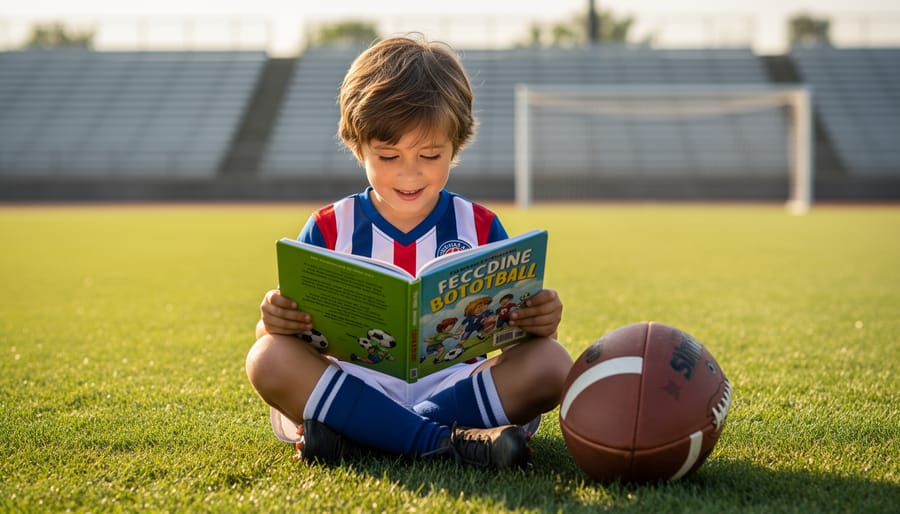
At ten years old, most children read at a fourth or fifth-grade level, tackling chapter books with 20,000 to 40,000 words and handling more complex sentence structures than they could just a year earlier. They’re developing abstract thinking and can follow multi-layered plots, understand character motivations beyond simple good versus evil, and grasp nuanced themes like fair play, teamwork dynamics, and dealing with disappointment. Their attention spans have grown, allowing them to sustain focus through longer narratives, but they still benefit from fast-paced action and relatable conflicts that mirror their own social worlds.
Football books occupy a powerful position for this age group because they tap into genuine passion. A child who lives and breathes the game will push through unfamiliar words, denser paragraphs, and longer chapters to find out whether the protagonist makes the team, wins the championship, or overcomes a setback. This intrinsic motivation transforms reading from a chore into a choice, building fluency and confidence without the child realizing they’re working at it.
For reluctant readers especially, football books remove resistance. The familiar subject matter provides context clues that help decode new vocabulary, and the high-stakes scenarios common in sports stories create natural suspense. A ten-year-old who won’t touch a fantasy novel or historical fiction might devour a story about a young player facing tryouts, because they’ve lived some version of that anxiety themselves. That emotional connection drives engagement, and engagement drives reading growth, creating a positive cycle that extends beyond sports content once the habit takes hold.
Key Factors When Choosing Football Books
Reading Level and Text Complexity
Most 10-year-olds read independently at a fourth to fifth-grade level, typically handling books with 20,000 to 40,000 words. When choosing books for 10-year-olds, look for football titles with chapters between 1,500 and 3,000 words, which allow satisfying progress without overwhelming fatigue.
Vocabulary should include some challenging terms related to football positions, tactics, and equipment, but context clues or brief explanations should support understanding. Sentences averaging 10 to 15 words work well, with occasional longer constructions to build sophistication. Avoid books where every page introduces multiple unfamiliar words or where dense paragraphs fill entire pages.
The choosing right book process means finding that balance between comfort and stretch. Your child should recognize about 95% of words independently, encountering just enough new vocabulary to expand their skills without frustration. Check a sample page: if they stumble over more than one word per sentence, the book may be too advanced.
Chapter books with 8 to 15 chapters suit this age perfectly, giving them clear stopping points and the satisfaction of measurable progress. Football books often include diagrams, play breakdowns, or team rosters that add visual breaks to text, helping maintain focus during longer reading sessions.
Content Appropriateness and Themes
When picking football books for ten-year-olds, scan beyond the blurb and flip through a few pages to gauge how the story handles conflict and emotion. At this age, kids benefit from books that present realistic challenges, losing an important match, dealing with a difficult coach, or struggling to fit in with a team, without sugarcoating or catastrophizing. The best titles show characters working through setbacks with support from peers or mentors, rather than solving everything magically or punishing failure harshly.
Check the language for vocabulary that stretches without alienating. A few unfamiliar sport-specific terms are fine if context helps decode them, but watch for slang that might confuse or dated expressions that disconnect modern readers. Themes like teamwork, perseverance, and handling disappointment should feel authentic, not preachy. Books that explore friendship dynamics, rivalries, and personal growth through football give kids emotional vocabulary and problem-solving frameworks they’ll use off the pitch. Avoid stories that glorify winning at any cost, stereotype certain positions or player types, or rely on bullying for drama without thoughtful resolution. Your goal is content that respects your child’s intelligence while modeling healthy attitudes toward competition and community.
Representation and Inclusivity

Today’s young readers deserve to see themselves and others reflected in their books. When selecting football titles, look for stories featuring players from various ethnic and cultural backgrounds, girls playing alongside or instead of boys, and characters with disabilities participating meaningfully in the sport.
Books that showcase different family structures, single parents, extended families, same-sex parents, foster situations, help normalize diverse experiences while keeping football at the center. This representation matters because it validates every child’s reality and expands understanding for those from different circumstances.
Check whether female characters have genuine agency in the story rather than serving as supporting roles. Similarly, examine how books handle socioeconomic differences: do they portray financial challenges without stereotyping families facing hardship?
Strong inclusive titles avoid tokenism by making diverse characters fully developed individuals whose backgrounds enrich rather than define the narrative. The best football books for this age demonstrate that passion for the sport transcends any single demographic, preparing young readers to appreciate the beautiful game’s universal appeal.
Visual Elements and Illustrations
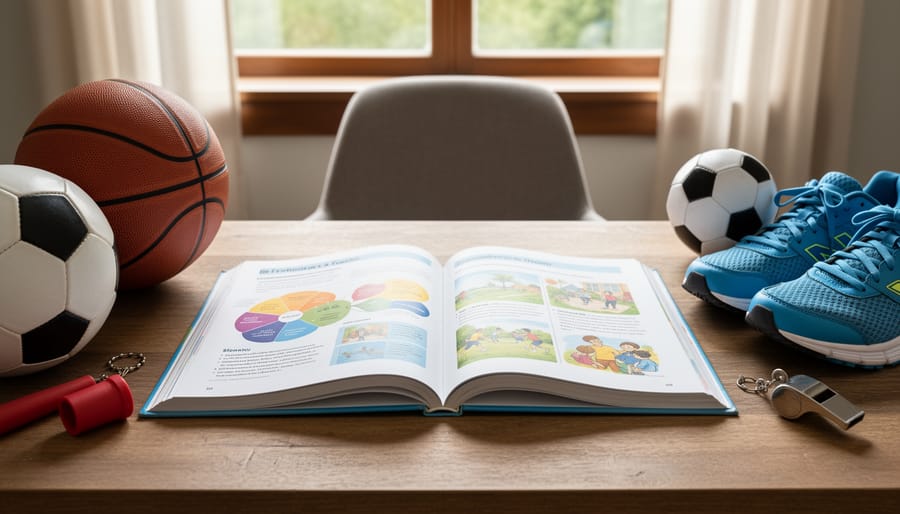
At age 10, children are transitioning from heavily illustrated books to text-heavy novels, but visual elements still play an important supporting role. Look for books with clear chapter headings, consistent margins, and readable font sizes that prevent visual fatigue during longer reading sessions. Action photos of players or diagrams showing field positions can break up dense text and reinforce key concepts, particularly in instructional books or biographies.
For fiction titles, occasional black-and-white illustrations every few chapters help maintain engagement without overwhelming the narrative. Skills guides benefit from step-by-step photo sequences or diagrams that demonstrate techniques like passing mechanics or dribbling patterns, making abstract instructions concrete. Even at this age, a well-designed layout with appropriate white space helps readers track their progress and feel accomplished as they advance through chapters. The best football books balance visual interest with text density, respecting your child’s growing reading stamina while acknowledging they still appreciate visual breaks that enhance understanding rather than distract from it.
Types of Football Books Compared
Fiction Stories and Novels
Fiction stories transport young readers onto the pitch and into the lives of characters facing real challenges, friendships tested by competition, self-doubt before the big match, or learning to bounce back from defeat. These narratives work beautifully for 10-year-olds because they combine the excitement of football with relatable emotional journeys that build empathy and understanding.
Look for chapter books with well-developed characters who grow throughout the story, not just caricatures who exist to score goals. The best middle-grade football novels weave authentic game action with genuine conflicts: dealing with a difficult coach, navigating team dynamics, or balancing school pressure with sports commitments. Series like Football Academy or standalone titles from authors experienced in children’s sports fiction offer this depth consistently.
Reading unbiased book reviews helps distinguish genuinely engaging stories from those that simply slap football onto a generic plot. Strong fiction develops narrative comprehension as readers track character arcs, predict outcomes, and connect cause and effect across chapters, skills that transfer far beyond sports books into all reading.
Biographies and Player Stories
Biographies bring football heroes off the screen and into your child’s hands, transforming distant celebrities into relatable human beings who faced setbacks, worked hard, and overcame obstacles. For ten-year-olds, these real-life stories pack tremendous motivational power because they demonstrate that success comes from practice, determination, and resilience rather than talent alone.
The best player biographies for this age balance inspiring achievements with honest struggles. Look for books that don’t just catalog trophy wins but explore childhood challenges, training sacrifices, and failures that shaped the athlete’s character. Stories about players who faced rejection, injuries, or doubted themselves teach valuable life lessons about perseverance that extend far beyond the pitch.
Choose biographies with engaging narrative styles rather than dry recitations of statistics. Books that include childhood anecdotes, behind-the-scenes training details, and personal quotes help young readers connect emotionally with the subject. Diverse representation matters here too. Seek out biographies featuring players from various backgrounds, countries, and positions so your child sees that pathways to success vary widely.
How-To and Skills Guides
How-to guides occupy a unique space in football literature for 10-year-olds, blending practical skill development with reading practice. These books typically feature step-by-step instructions for improving techniques like dribbling, passing, and shooting, often accompanied by diagrams and photos that break down complex movements into manageable steps.
The best skills guides balance technical accuracy with age-appropriate explanations. They should avoid overly technical jargon while still teaching proper terminology. Look for books that explain the “why” behind techniques, not just the “how”, this deepens understanding and helps kids apply concepts during actual play.
Many instructional books now include QR codes linking to video demonstrations, which bridges the gap between static images and real movement. This multimedia approach particularly benefits kinesthetic learners who struggle with text-only instruction.
For maximum engagement, choose guides that incorporate games and challenges rather than presenting drills as boring exercises. Books that connect skills to match situations help readers see immediate relevance to their own playing experience.
Fact Books and Encyclopedias
Reference-style football books serve as excellent resources that ten-year-olds can browse casually or use for school projects and deeper research. These encyclopedias and fact compilations typically feature bite-sized information chunks, team statistics, player records, historical moments, and fascinating trivia, organized in accessible formats with tables, timelines, and infographics. Unlike narrative books requiring cover-to-cover reading, fact books let children jump between topics based on interest, building research skills as they learn to locate specific information using indexes and contents pages. This format particularly suits children who prefer factual learning over fiction and those developing reference skills for academic work. The visual organization and digestible facts make these books perfect bathroom or bedtime reading, allowing kids to absorb football knowledge in short sessions. Many feature annual updates, keeping content current with recent champions, transfers, and records that maintain relevance and excitement.
Graphic Novels and Comics
Graphic novels and comics present football stories through sequential art panels that pair illustrations with dialogue and narration, creating an accessible entry point for children who find traditional chapter books intimidating. This format reduces the cognitive load of processing dense text blocks by breaking information into visual scenes, making complex game sequences or emotional moments easier to follow. For 10-year-olds who are visual learners or struggling with reading confidence, graphic novels offer the same narrative depth and character development as prose fiction while providing scaffolding through images that support comprehension.
The best football graphic novels balance action-packed game scenes with character-driven plots about teamwork, rivalry, or personal growth. Look for titles with clear panel layouts, expressive character art, and text that’s substantial enough to build vocabulary without overwhelming the page. Many reluctant readers who start with sports graphic novels naturally progress to traditional books once they’ve rebuilt their confidence and discovered that stories about their passion can be genuinely engaging.
Top Football Book Recommendations for 2026
Here are our carefully selected football books that strike the right balance between engagement and age-appropriateness for 10-year-olds in 2026:
Fiction That Scores
For young readers who love a good story, “The Striker’s Secret” by Marcus Reid weaves football action with genuine character development. The protagonist navigates team dynamics and family expectations while pursuing his goal-scoring dreams. The vocabulary challenges without overwhelming, and chapters clock in at a manageable 8-12 pages. It’s ideal for confident readers ready for emotional depth alongside their sports action.
“Boot Camp Chaos” by Sarah Chen offers lighter fare with plenty of humor. When a football-mad kid attends summer camp, mishaps and friendships unfold through short, punchy chapters perfect for less experienced readers. The comedy keeps pages turning while the relatively simple sentence structure builds confidence.
Real Stories, Real Heroes
“Mia Hamm: Breaking Barriers” remains the gold standard for sports biographies at this level. Updated for 2026, it balances personal struggle with athletic achievement, showing young readers that champions face setbacks too. The accessible language and photo inserts make it work equally well for boys and girls who need role models beyond the pitch.
For a broader perspective, “Legends of the Beautiful Game” profiles diverse players from different eras and countries. Each mini-biography runs 4-6 pages, perfect for readers who prefer bite-sized content they can finish in one sitting.
Practical and Visual Options
- “Football Skills Handbook” by Coach Williams, step-by-step drills with clear diagrams, organized by position for targeted practice
- “The Big Book of Football Facts”, statistics, records, and trivia organized by topic, great for browsers and fact-collectors
- “Goalkeeper Academy” graphic novel series, follows a youth team through tournaments with dynamic artwork and realistic dialogue
- “How Football Works”, explains rules, positions, and strategy with infographics that make complex concepts visual
- “Match Day Chronicles”, follows one fictional match minute-by-minute, blending narrative with tactical analysis
The graphic novel format deserves special mention for reluctant readers. “Goalkeeper Academy” combines visual excitement with substantive text, gradually building stamina for longer reading sessions. Many parents report it becomes the bridge that moves kids from picture books to chapter books.
Choose based on where your child sits on the reading spectrum right now, not where you hope they’ll be. A book that matches their current level but ignites their passion will do more for their development than a challenging title that sits unread on the shelf.
Common Mistakes to Avoid
Choosing football books shouldn’t be complicated, but well-meaning parents frequently make avoidable mistakes that can derail reading enthusiasm or waste time and money.
The biggest error is assuming that because your child loves football, they’ll automatically love any football book you hand them. Sports passion doesn’t guarantee reading engagement, the book still needs age-appropriate writing, relatable characters, and a compelling story or presentation. A dense biography filled with statistics might bore a fiction-loving reader, while a child who craves facts could dismiss a lighthearted novel as “not real football.” Match the book format to your child’s reading preferences, not just their sports interest.
Many parents also grab only the most popular titles or stick with a single series because it’s working. While comfort reads have value, repeatedly choosing bestsellers or the same author limits exposure to diverse voices, different football cultures, and varied storytelling styles. Your 10-year-old benefits from seeing players and fans from different backgrounds, countries, and abilities, which builds both empathy and a broader understanding of the sport they love.
Another common pitfall is choosing books that are too easy because you’re prioritizing completion over growth. If your child breezes through in an hour without any challenge, they’re not developing vocabulary or stamina. Similarly, parents sometimes select books that are too advanced, especially biographies written for adult audiences, thinking their football-obsessed reader will rise to the occasion, but frustration typically wins out.
Finally, don’t overlook non-fiction when planning summer reading ideas or year-round choices. Skills guides, fact books, and how-to manuals absolutely count as reading and often hook reluctant readers more effectively than fiction.
Frequently Asked Questions
What if my child only wants to read about football?
This is completely normal and actually beneficial. Using football as a gateway keeps kids reading regularly, and you can gradually introduce books that blend football with other themes like friendship, family challenges, or historical events. Reading about one passionate interest builds the habit and confidence to explore other topics naturally over time.
How do I know if a book is too hard for my 10-year-old?
Try the five-finger rule: have your child read a page aloud, and if they stumble on more than five words, the book may be too challenging right now. Also watch for frustration, avoidance, or taking more than a few minutes per page, which signals the text complexity exceeds their current comfort zone.
Are football books appropriate for girls too?
Absolutely. Many football books feature strong female protagonists, and the themes of teamwork, perseverance, and strategy appeal to all readers regardless of gender. Look for titles with diverse characters or books specifically about women’s football to ensure your daughter sees herself represented in the stories.
Should I choose American football or soccer books for my child?
Follow your child’s interest and what they play or watch. In most international contexts, football means soccer, while American readers typically distinguish between the two sports. Check book descriptions carefully to confirm which sport is featured, as mixing them up can disappoint young readers expecting their preferred game.
Beyond these common concerns, remember that your child’s reading journey is unique. Some kids devour books quickly and need constant new material, while others prefer rereading favorites multiple times. Both patterns are healthy. Pay attention to what sparks conversation at dinner or what details they remember and share with friends, as these are better indicators of engagement than speed or quantity. If your child struggles with traditional chapter books, graphic novels and illustrated formats count as real reading and build the same comprehension skills. The goal is keeping them excited about books, and football provides that motivation naturally for many ten-year-olds at this stage.
Choosing the right football books for your 10-year-old isn’t just about finding entertaining stories, it’s about harnessing their passion to build lifelong reading habits. When you match a child’s genuine interest in football with well-selected books, you create a powerful entry point into literacy that feels exciting rather than educational.
The beauty of football books lies in their diversity. Whether your child gravitates toward gripping fiction, inspiring biographies, or fact-packed guides, there’s a format that will resonate. Start where their enthusiasm is strongest, then gradually introduce variety to expand both their reading skills and their understanding of the sport they love.
Remember that reading preferences evolve quickly at this age. A book that seems perfect today might be outgrown in six months, and that’s completely normal. Keep conversations open about what they’re enjoying, visit the library regularly to explore new titles risk-free, and celebrate their reading milestones, whether that’s finishing their first chapter book or devouring an entire series.
By thoughtfully selecting football books that challenge without overwhelming, represent diverse voices, and align with your child’s current abilities, you’re doing more than keep kids reading you’re showing them that their interests matter and that books can be as thrilling as any match.