The best adventure books for 10-year-olds balance age-appropriate challenges, relatable characters facing meaningful stakes, and pacing that holds middle-grade attention spans without overwhelming newer independent readers. At this age, children are ready for layered plots, moral complexity, and protagonists who solve problems through courage and resourcefulness, making your selection criteria just as important as the titles themselves.
Ten-year-olds sit at a pivotal reading threshold. They’ve moved beyond early chapter books but aren’t quite ready for young adult content. The adventure genre offers an ideal bridge, building reading stamina while delivering the excitement that keeps kids turning pages long after bedtime. Whether your child devoured summer reading activities or is just gaining confidence after preschool reading foundations, adventure stories provide natural motivation to read more.
This guide walks you through the key factors that separate excellent adventure books from forgettable ones, compares the major sub-genres available in 2026, and provides vetted recommendations matched to different reading levels and interests. You’ll learn which common mistakes lead to abandoned books on nightstands and how to match adventure types to your child’s specific preferences, ensuring your next purchase becomes a well-worn favorite rather than shelf decoration.
What Makes a Great Adventure Book for 10 Year Olds
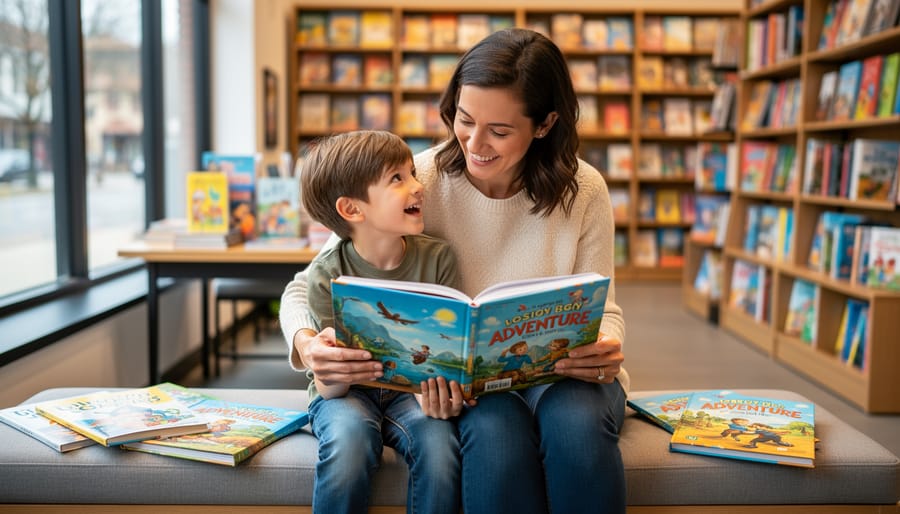
A great adventure book for a 10-year-old strikes a careful balance between challenge and accessibility. While early learning books focus on basic vocabulary and simple concepts, books for this age need more sophisticated storytelling without overwhelming developing readers.
Reading level matters, but it’s not the only metric. Your child might handle a Lexile score of 700 comfortably for one book but struggle with another at the same level if the plot moves too slowly or the vocabulary feels dry. The sweet spot sits where your child can read independently with minimal frustration, encountering maybe five unfamiliar words per page, while still feeling stretched and engaged.
Plot complexity separates great adventure books from forgettable ones at this stage. Ten-year-olds can track multiple storylines, understand cause and effect across chapters, and pick up on foreshadowing. They’re ready for stories with real stakes, where characters face meaningful consequences and problems don’t resolve in a single chapter. Look for narratives with clear through-lines but enough twists to keep pages turning.
Character development pulls readers through longer books. At 10, kids connect with protagonists who wrestle with real dilemmas, friendship conflicts, family tensions, moral choices, not just external obstacles. They notice when characters feel authentic versus one-dimensional, and they’ll abandon books where the hero never changes or learns.
Pacing can make or break engagement. Adventure books for this age work best when they open with action or intrigue within the first chapter, maintain momentum through alternating quiet and tense moments, and avoid long descriptive passages that stall momentum. Chapters should end with hooks that make “just one more” irresistible.
Length considerations shift at 10. Most readers at this stage handle 150-250 pages comfortably, with stronger readers tackling 300-400 page books. Series offer built-in motivation, but ensure the first book stands on its own, you don’t want a commitment to eight books if your child loses interest after one.
Types of Adventure Books for This Age Group
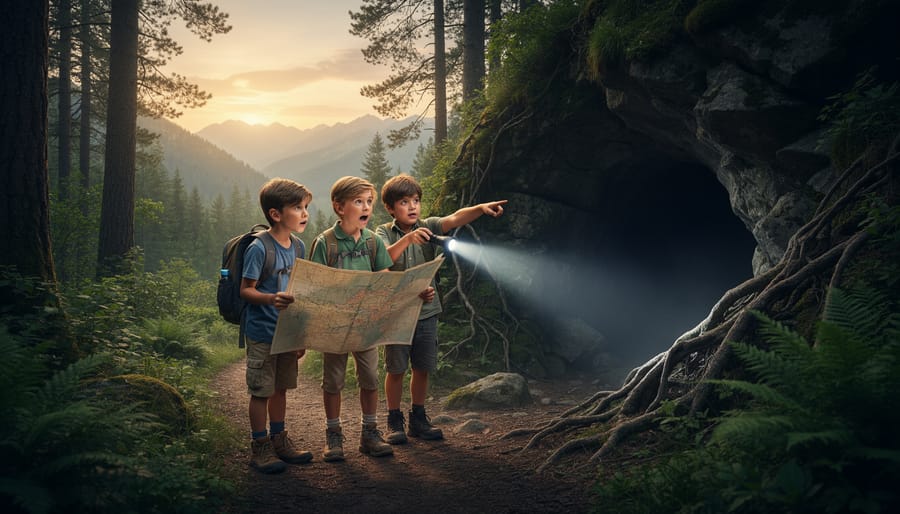
Adventure books for 10-year-olds come in several distinct flavors, each offering different experiences that appeal to different readers. Understanding these categories helps you match books to your child’s interests and reading personality rather than defaulting to whatever’s popular.
Fantasy adventures transport readers to magical worlds with wizards, mythical creatures, and epic quests. These books build imaginative thinking and often feature clear good-versus-evil storylines that resonate with developing moral reasoning. Readers who love world-building, enjoy escapism, and ask “what if” questions gravitate toward fantasy. Think dragons, hidden kingdoms, and chosen heroes discovering their powers.
Historical adventures ground excitement in real time periods, combining action with learning about different eras. Whether it’s ancient civilizations, frontier life, or wartime experiences, these books satisfy curious minds that want adventure with authenticity. Children interested in history, who ask questions about how people lived, or who enjoy time-travel stories find these especially engaging.
Contemporary or realistic adventures keep both feet in the modern world but add extraordinary challenges. A cross-country road trip, solving a neighborhood mystery, or surviving unexpected circumstances, all happening in recognizable settings. These work beautifully for readers who want excitement but need to see themselves and their world reflected in the story.
thead>
| Adventure Type | Reading Experience | Core Themes | Appeals Most To |
|---|---|---|---|
| Fantasy | Imaginative world-building, magic systems, epic scope | Good vs. evil, self-discovery, friendship | Dreamers, creative thinkers, escapism-seekers |
| Historical | Period detail, real events woven with fiction | Courage, cultural understanding, resilience | History buffs, curious learners, detail-oriented readers |
| Contemporary/Realistic | Relatable settings, modern problems, emotional depth | Identity, family, real-world challenges | Kids wanting mirrors of their lives, relationship-focused readers |
| Survival | High stakes, problem-solving, nature elements | Resourcefulness, perseverance, human vs. nature | Action lovers, outdoor enthusiasts, puzzle-solvers |
| Mystery | Clue-gathering, logical deduction, suspense | Justice, truth-seeking, observation skills | Puzzle-lovers, analytical thinkers, readers who like closure |
| Science Fiction | Technology focus, future worlds, scientific concepts | Innovation, ethics of progress, exploration | STEM-interested kids, futurists, tech enthusiasts |
Survival stories strip everything down to basics: a character facing nature, isolation, or extreme circumstances with limited resources. These high-stakes narratives teach problem-solving and resilience while delivering non-stop tension. Kids who love action, outdoor activities, or figuring out how things work devour these books.
Mystery adventures turn readers into detectives, following clues and piecing together puzzles alongside the protagonist. The satisfaction of solving the case before the final reveal keeps logical thinkers engaged. Children who love riddles, notice details, and enjoy the structure of problem-solving excel with mysteries.
Science fiction adventures explore future possibilities, space travel, advanced technology, and scientific what-ifs. These books stretch thinking about innovation and ethics while delivering exciting plots. Readers fascinated by how things work, interested in space or inventions, or drawn to futuristic settings find their sweet spot here.
Many excellent books blend these types, fantasy mysteries, historical survival stories, or science fiction with contemporary themes, giving you even more options to match your child’s unique interests.
Top Adventure Book Recommendations for 10 Year Olds
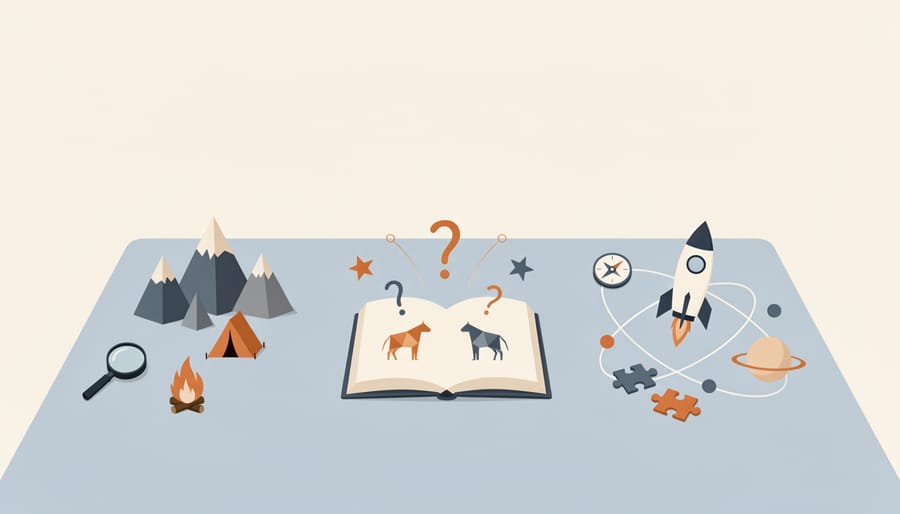
Here are carefully selected adventure books that cater to different interests and reading levels while representing a range of experiences and characters:
Fantasy Adventures
“Amari and the Night Brothers” by B.B. Alston offers a perfect entry into fantasy adventure for this age group. Twelve-year-old Amari discovers a hidden world of magic while searching for her missing brother. The book works beautifully for 10-year-olds because it balances mystery, action, and relatable family dynamics. Reading level sits comfortably at grades 4-6, and the fast-paced chapters keep readers hooked. What makes this special is Amari herself, a Black girl who brings both vulnerability and determination to her quest, showing readers that heroes come in all forms.
For readers ready for more complexity, “The Girl Who Drank the Moon” by Kelly Barnhill presents a richly layered tale about a girl raised by a witch, a swamp monster, and a tiny dragon. The prose is more literary than typical middle-grade fare, making it ideal for strong readers who appreciate beautiful language alongside adventure. It tackles themes of love, sacrifice, and truth without becoming heavy-handed.
Contemporary and Realistic Adventures
“Front Desk” by Kelly Yang draws from the author’s own childhood experiences, following Mia Tang as she helps her immigrant parents manage a motel while standing up to injustice. The adventure here is grounded in real-world challenges, economic hardship, discrimination, and finding your voice. It resonates deeply with 10-year-olds navigating their own growing awareness of fairness and social issues. The accessible vocabulary and short chapters make it perfect for transitioning readers.
Survival Stories
“Hatchet” by Gary Paulsen remains the gold standard for survival adventures at this age. Brian’s 54-day ordeal in the Canadian wilderness after a plane crash delivers edge-of-your-seat tension while exploring themes of resilience and self-discovery. The straightforward prose style works well for reluctant readers, and boys particularly connect with Brian’s practical problem-solving approach. Fair warning: the survival elements are realistic, including injuries and setbacks that might concern sensitive readers.
Mystery Adventures
“The Last Last-Day-of-Summer” by Lamar Giles blends mystery with science fiction as cousins Otto and Sheed discover their Virginia town exists outside normal time. This standalone novel works as a gateway to more complex plotting, readers must piece together clues alongside the protagonists. The Black male protagonists bring authentic friendship dynamics, and the imaginative premise appeals to kids who love “what if” scenarios. Reading level is grade 5, though younger strong readers handle it easily.
Diverse Protagonists and Perspectives
- “The Wild Robot” by Peter Brown, A robot stranded on an island learns to survive and connect with animal inhabitants; themes of belonging and adaptation with gorgeous illustrations throughout.
- “Dragon Pearl” by Yoon Ha Lee, Korean mythology meets space adventure as fox-spirit Min searches for her missing brother; features a gender-fluid character naturally woven into the narrative.
- “Sal and Gabi Break the Universe” by Carlos Hernandez, Cuban-American magician Sal navigates parallel universes and family complexities; celebrates disability (Gabi uses mobility devices) without making it the whole story.
- “The Parker Inheritance” by Varian Johnson, Twelve-year-old Candice solves a decades-old mystery rooted in her town’s racist past; tackles civil rights history through an engaging treasure hunt format.
- “Sweep: The Story of a Girl and Her Monster” by Jonathan Auxier, A climbing sweep’s daughter befriends a creature made of soot in Victorian England; explores class inequality and found family with gothic atmosphere.
- “Echo Mountain” by Lauren Wolk, Ellie uses wilderness skills to save her family during the Great Depression; strong female protagonist who defies gender expectations without modern preachiness.
- “Rick Riordan Presents” series titles, Various authors bring mythology from their own cultures (Mayan, Hindu, Korean, West African) with authentic representation and rollicking adventure.
- “The Bridge Home” by Padma Venkatraman, Two sisters escape abuse and build a life on Chennai’s streets; challenges Western readers’ assumptions while celebrating resilience and sibling bonds.
Series vs. Standalones
If your child commits easily to series, “Wings of Fire” by Tui T. Sutherland delivers dragon-centered adventures with rotating protagonists and complex world-building across 15+ books. Each dragon tribe has distinct characteristics, and the diverse perspectives prevent the formula from going stale. However, standalone books like those above let kids sample different authors and styles without pressure to continue.
Match these recommendations to what you already know sparks your child’s curiosity, the kid obsessed with animals will devour “The Wild Robot,” while the history buff might prefer “The Parker Inheritance.” The reading level matters less than finding that magical book where they can’t wait to see what happens next.
Reading Level and Content Considerations
Your child’s reading ability and their adventure appetite don’t always align, and that’s perfectly normal. A confident reader might devour a 400-page fantasy, while a skilled but cautious reader might prefer a shorter, less intense story. The key is finding books that stretch their skills without frustrating them or dampening their enthusiasm.
Lexile scores provide a helpful starting point, but treat them as guidelines rather than strict rules. The typical range for 10-year-olds falls between 600L and 850L, though many capable readers exceed this. A book 100 points above your child’s measured level usually offers a healthy challenge, while anything 200+ points higher might cause frustration during independent reading. That said, interest trumps numbers. A child passionate about Greek mythology will push through a higher-lexile Percy Jackson book more readily than an “appropriate-level” book about a topic that bores them.
Content concerns matter more than vocabulary difficulty for many parents. Adventure books at this age often include peril, mild violence, and characters facing real danger. Most 10-year-olds can handle fantasy battles, shipwrecks, and wilderness survival, but gauge your child’s sensitivity to scary elements. Books with war settings, character deaths, or psychological tension might warrant a conversation first or a read-together approach.
Shared reading works beautifully when you want to tackle a challenging book together or discuss mature themes as they arise. Your child reads independently most of the time but needs you for trickier vocabulary or emotional processing. Independent reading builds confidence and ownership, while reading aloud preserves connection and lets you monitor content in real time. Many families do both, alternating between solo adventures and shared chapter-book experiences before bed.
Common Mistakes to Avoid When Choosing Adventure Books
Even well-meaning parents stumble into predictable traps when selecting adventure books. Recognizing these mistakes helps you make better choices that keep your child engaged and growing as a reader.
Selecting Books Based Solely on Age Labels
Publisher age ranges are starting points, not prescriptions. A confident reader might breeze through “11-14” books at ten, while another child thrives with titles marked “8-10.” Watch for reading frustration or boredom rather than trusting the number on the cover. Your child’s individual skill and maturity matter more than where they fall on a chart.
Ignoring Your Child’s Actual Interests
You loved fantasy at their age, but your ten-year-old talks constantly about real historical events. Pushing your preferences creates resistance. Adventure comes in many flavors, survival stories, mysteries, science fiction, historical tales. Let their genuine curiosity guide selections. A book about something they already care about will always outperform a “better” book about something that bores them.
Chasing Bestseller Lists Exclusively
Popular titles earn their status for good reasons, but relying only on trending books means missing hidden gems that might perfectly match your reader. Unbiased book reviews from trusted sources help you look beyond what everyone else is reading. Sometimes the best adventure book for your child sits three shelves over from the display table.
Common pitfalls to watch for:
- Avoiding all challenging themes, kids handle more complexity than we assume, and meaningful stories tackle real emotions
- Starting a series without checking the commitment, twelve books is daunting if your child prefers variety
- Choosing only stories with protagonists who look like your child, diverse perspectives build empathy and expand worldviews
- Rejecting graphic novels as “not real reading”, the format engages reluctant readers and develops visual literacy
- Selecting books you think they should read rather than books that excite them right now
Trust your child’s readiness for emotional content while gently stretching their comfort zone. The goal is building confident, enthusiastic readers, not checking boxes.
Frequently Asked Questions
Choosing adventure books often raises practical questions for parents navigating the options. Here are straightforward answers to help you make confident decisions.
How long should books be for this age?
Most 10-year-olds handle books between 150-300 pages comfortably, though confident readers often enjoy longer novels up to 400 pages. Start with shorter books if your child is building stamina, then gradually increase length as their engagement grows.
Should I let my child read above their grade level?
Yes, if they’re interested and comprehending the material. Reading above grade level builds vocabulary and confidence, but ensure the content themes remain age-appropriate even if the reading difficulty is advanced.
What if my child only wants to read graphic novels?
Graphic novels are legitimate reading that builds visual literacy and narrative comprehension. Use them as a bridge by finding adventure stories available in both graphic novel and traditional formats, then offering the choice.
How do I encourage reluctant readers?
Match books precisely to their interests rather than what you think they should read, keep kids engaged with shorter chapters that provide natural stopping points, and eliminate pressure by reading aloud together initially.
Are adventure book series better than standalone books?
Series work well for readers who love returning to familiar characters and worlds, building reading momentum across multiple books. Standalone books offer complete stories without commitment and expose kids to varied writing styles and settings.
How do I find books with diverse characters?
Look for award lists like the Coretta Scott King Award or Pura Belpré Award, check publisher diversity imprints, and use online databases that filter by character identity and cultural representation.
Remember that your child’s reading journey is unique. What works for one 10-year-old may not suit another, even within the same family. Pay attention to which books they finish versus abandon, what they talk about afterward, and whether they’re asking for similar titles. These signals tell you far more than any reading level chart. Trust your knowledge of your child’s maturity, interests, and readiness for different themes when making selections.
Choosing the right adventure books for your 10-year-old sets the stage for a lifetime of reading joy. At this age, children are developing their tastes, building critical thinking skills, and discovering who they are through the characters they meet on the page. The adventure genre offers a perfect gateway, combining excitement with emotional depth, challenging vocabulary with page-turning plots.
Remember that the best book isn’t always the most popular one or the one that topped last year’s lists. It’s the book that sparks genuine interest in your child. Involve them in the selection process. Visit the library together, read sample chapters aloud, and pay attention to what makes their eyes light up. Some kids will devour fantasy quests while others crave realistic survival stories, and both paths are equally valuable.
Don’t stress about making the perfect choice every time. Even books that don’t fully connect teach readers something about their preferences. What matters most is keeping the adventure going, one book, one chapter, one exciting discovery at a time. Your enthusiasm and support matter far more than any reading list.